Night and Weekend Arrivals: Keeping the Receiving Check Intact
Containers do not wait for office hours. How to keep light, people, documents and photographs in order when cargo arrives at night or on a holiday.
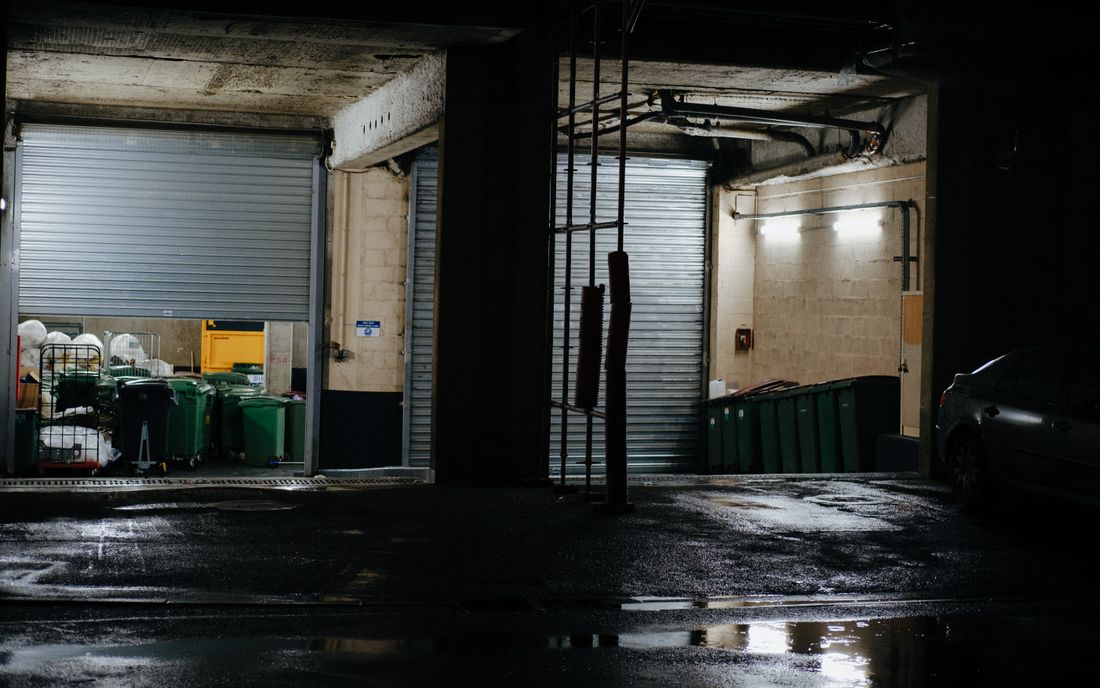
A container does not read the office calendar. Ships, trains and trucks arrive when their schedules allow, and a gate may open at two in the morning on a Saturday or on a holiday, when the office is dark, the broker does not pick up and the one person on site would like to go back to bed. The pressure to sign quickly and unload is strongest exactly when the conditions for a proper check are weakest. The answer is not to skip the check. It is to prepare in advance so that the night version of the process is the same process, only with more light.
What is different at night
- Light. Shadows hide dents and damp, glare from a single lamp washes out labels, and photographs that looked fine on the dock turn out unreadable on the screen next day.
- People. The crew is smaller and tired, and one person ends up counting, writing and photographing at once.
- Contacts. The broker, the forwarder, the supplier and the manager are hard to reach, and often nobody present is authorised to decide anything.
- Premises. Offices, storerooms and the scale may be locked, there is no printer, and the staging area is dark.
- Pressure. The driver wants to leave and the terminal wants the container out of the way.
Prepare before it arrives
- A decision card: one sheet that says who may sign and with what wording, whom to call and in what order, and what to do if something is clearly wrong. Put the phone numbers of the broker, the forwarder and the manager on it.
- Papers printed in advance and kept in a folder at the gate or with the guard, not on a laptop at somebody's home.
- Light: two portable lamps on stands, or a headlamp for each person, with charged batteries. Test them in the dark yard beforehand, because a lamp that works in the office may not reach the back of a container.
- A minimum crew of two: one counts, the other writes and photographs. A third drives the forklift if one is needed.
- Access: who holds the keys to the gate, the storeroom and the scale, and who will be on duty.
- Waiting time: ask the carrier and the site early whether a very late container may stay closed until morning, and who bears the cost of waiting.
During the check
- Set the lamps before the doors open, and look at a test photograph at full zoom. If the seal number cannot be read, add light.
- Follow the same sequence as by day: numbers, seal, outside, first view. A night is no reason to skip the first view.
- Photograph from two light angles. A lamp from the side shows dents and damp that a lamp from behind hides.
- Slow down at the two points where night errors are most likely: the seal and the count.
- Write the time more often than usual. A time stamp separates the night record from the morning one.
- Sign only for what you could check, using the count-only wording, and say on the note that light or crew were limited.
A conditional example. A truck with 36 pallets reaches the yard at 22:30 on the eve of a holiday. Two people are on site with two lamps. The seal and the plate are photographed at 22:40, and the doors opened at 22:50. Counting the pallets takes until 23:25: 36, with torn wrap on pallets 4 and 19. Opening the sample of 6 cartons is left for the morning, because inside a dim container the contents could not be photographed properly. The pallets are staged unopened in a corner of the yard with the key held by the guard. The note reads: "36 pallets received 23:25; wrap torn on pallets 4 and 19; contents not checked; carton count and sample opening next morning". The next day the sample is opened in daylight and the result goes to the supplier before noon.
Common mistakes
- Pointing the lamp at the camera, so that glare hides the label.
- Nobody on site who is allowed to decide, and no phone numbers.
- Counting from memory in the dark and writing the figures down later.
- Signing clean because "we will check in the morning".
In short
A night arrival needs the same checks as a day one, prepared earlier. CargoChek can attend at night and on holidays on request, and works from the same checklist as by day.