Sea, Rail or Road to Uzbekistan: What Each Route Means at Receiving
Sea, rail and road legs leave different traces on cargo. What each route usually means for seals, handling, delays and the paperwork you hold at receiving.
Uzbekistan has no seacoast, so cargo that crosses an ocean always finishes its journey overland. Whether the last stages are by rail or by road, or the whole trip is overland, each route leaves different marks on the goods, on the seals and on the paper you hold when the cargo reaches you. Knowing what each route usually means helps you look in the right places. This article is general. Transit times, routes and charges differ from one shipment to the next, so get the specifics from your forwarder.
Sea, and then something else
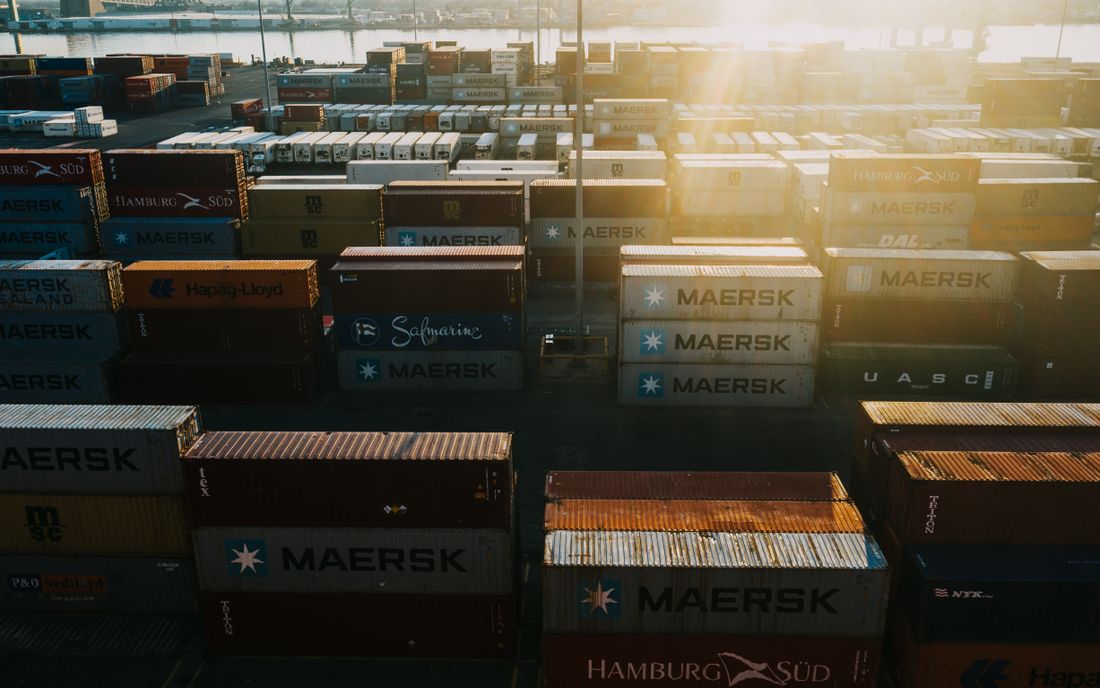
A sealed container may spend a long time at sea and in terminals. The main concerns on arrival are these:
- Moisture. Sea containers pass between climates, and condensation can form inside and wet the cartons from the roof down. Look at the top layers and at the ceiling.
- Handling. A container is lifted and set down several times, at each port and terminal. Look for crushed bottom layers and shifted pallets.
- Many seals and many hands. A sea shipment usually has paperwork for each stage. Ask your forwarder for the chain of seal numbers.
The main document is usually a bill of lading. After the port the container continues by rail or by truck, and each of those legs has concerns of its own.
Rail
Rail moves a container or a wagon in one piece over long distances. What to expect at receiving:
- Shunting. Wagons are coupled and uncoupled, and the shocks go into the load. Look for shifted pallets and a lean towards the ends of the container.
- Transfers. If the cargo changes wagon or train along the way, there are more chances for handling damage and for seals to be changed.
- Documents. A rail consignment note rather than a bill of lading, with its own references and numbers.
Wagons and containers may stand in a yard for days before dispatch or delivery, so look for damp and for signs of weather.
Road
Trucks can deliver close to your door and stay in the hands of one driver for the whole leg. The marks they leave are different:
- Vibration over long distances, shown by cartons rubbed through at the edges, compressed bottom layers and loose items inside the cartons.
- A tarpaulin rather than a steel box, when the vehicle is not carrying a container, so weather, cuts and unauthorised access need checking. A trailer has checks of its own.
- A road waybill instead of a bill of lading.
- Fewer transfers and so fewer chances for handling damage, but one long, continuous exposure to the road.
What it means for your receiving plan
- Ask the forwarder what route and what transfers the cargo went through, and which documents travel with it.
- Ask for the list of seals and their numbers at each stage, and compare the seal in front of you with the last one in the chain.
- Adjust the checklist to the route: moisture first for sea, shift and shock for rail, vibration and cover for road.
- Note delays. Cargo that waited an extra week in a yard has been exposed to things that cargo which did not wait has not.
- Keep the transport documents together and in the order of the route.
A conditional example
A forwarder tells you that a container of 300 cartons was sealed at origin with seal A, travelled by sea, and was re-sealed at a rail terminal with seal B after being inspected. On arrival the seal in front of you reads B, as expected. You find the top layers damp and the pallets shifted slightly towards the doors. You write: "Seal B intact and matching the chain from the forwarder. Damp on the top layer of 11 cartons (photographs 8 to 14). Pallets 2 and 3 shifted about 20 cm towards the doors (photographs 15 to 18)." The sea leg may suggest the damp and the rail leg the shift, but you record the observations and leave the attribution to the parties concerned.
In short
Each route leaves its own traces, and the receiving check should look for the ones most likely on that route. CargoChek counts the cargo, checks its condition and photographs what it finds on arrival, whichever way the shipment travelled.