Receiving From a Truck: Tarpaulin, Seals and Waybill Checks
A truck is not a container. How to check the tarpaulin, the doors, the seals and the waybill, and what to photograph before the driver leaves the yard.
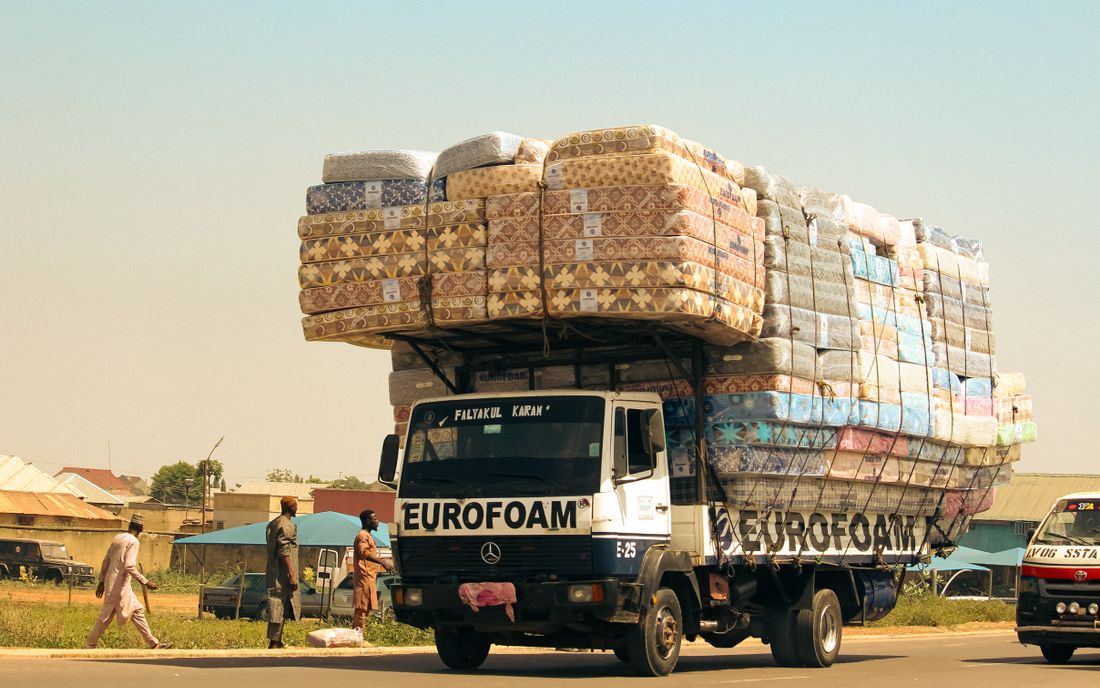
A truck is not a container. Instead of a steel box with a single numbered seal, there is often a canvas cover or a curtain side, many more places from which the load can be reached, and a driver who wants to leave as soon as the goods are off. The check has to be done differently, and sooner. This article covers what to look at when cargo arrives on a truck and trailer, and what to photograph before the vehicle leaves the yard.
First, the vehicle and the driver
Before anything is touched, record who has brought the cargo.
- Photograph the front of the truck and the trailer with the registration plates legible.
- Write down the driver's name, the trailer plate, the haulier named on the papers and the time of arrival.
- Ask the driver for the waybill and the other papers, and photograph them where they are before you handle them.
This takes three minutes and ties the delivery to a particular vehicle and journey. It is also the moment to agree with the driver that nothing will be moved until you have looked at the load.
The tarpaulin, the body and the seals
Walk once around the vehicle, and take photographs from all four sides.
- Cuts, slits and patches in the tarpaulin or curtain, especially fresh ones, or stitches that differ from the rest of the cloth.
- Straps, buckles and lashings that are missing, loose or tied in a different way.
- Doors, hinges and locking bars that are bent or held with something other than the original fixing.
- The roof, where water can collect and run into the load.
A cut tarpaulin does not mean theft, and an intact one does not mean safety. The aim is to describe what is visible, not to guess what happened.
If a seal or a sealing cord has been applied, photograph it intact with its number legible, then compare the number with the waybill and with what your broker told you. If the number differs, write down both numbers and tell the broker at once. Do not cut or remove a seal without the person who is entitled to do so. If no seal was applied, note that, and do not assume it was lost.
Reading the waybill
Read these fields before unloading:
- Sender and consignee, matching your contract and invoice.
- Description, number of packages, marks and weight, matching the packing list.
- Place and date of loading, and the date of arrival.
- Remarks. Carriers often record the condition of the goods at loading here. If a note says "tarpaulin torn" or "packing damaged", it was written before you saw the goods.
Check that the document refers to the vehicle in front of you. If it does not, ask why.
Unloading, and before the driver leaves
Open the load in the presence of the driver, and photograph the first view before anything is moved. Unload in the order you have planned, count as the goods come out and photograph problems with the three-frame method. If the top layer is wet or the load has shifted, stop and record it before you continue.
Do not let the driver leave until:
- the count is complete and the result has been told to the site manager;
- the remarks are written on the delivery note, in the form your plan requires;
- you have a photograph of the empty trailer floor and of the signed paper.
A conditional example
A trailer arrives with 24 pallets, 40 cartons on each, 960 in all. The tarpaulin has a 30 cm cut on the right side, closed with tape. The waybill says 24 pallets and 960 cartons, and the seal number matches. After unloading you count 24 pallets and 960 cartons, and you find 12 wet cartons on the two pallets behind the cut. You photograph the cut from outside and from inside, and the wet cartons with their labels. Your remark reads: "Tarpaulin cut about 30 cm on the right side, closed with tape; 12 cartons wet on pallets 17 and 18, photographs 21 to 33." The count agrees and the damage is confined to one place.
In short
A truck delivery gives you less time and fewer fixed points than a container, so the checklist has to be ready before it arrives. CargoChek attends the unloading, records the vehicle, the cover and the seal, counts the cargo and photographs the findings before the driver leaves.